

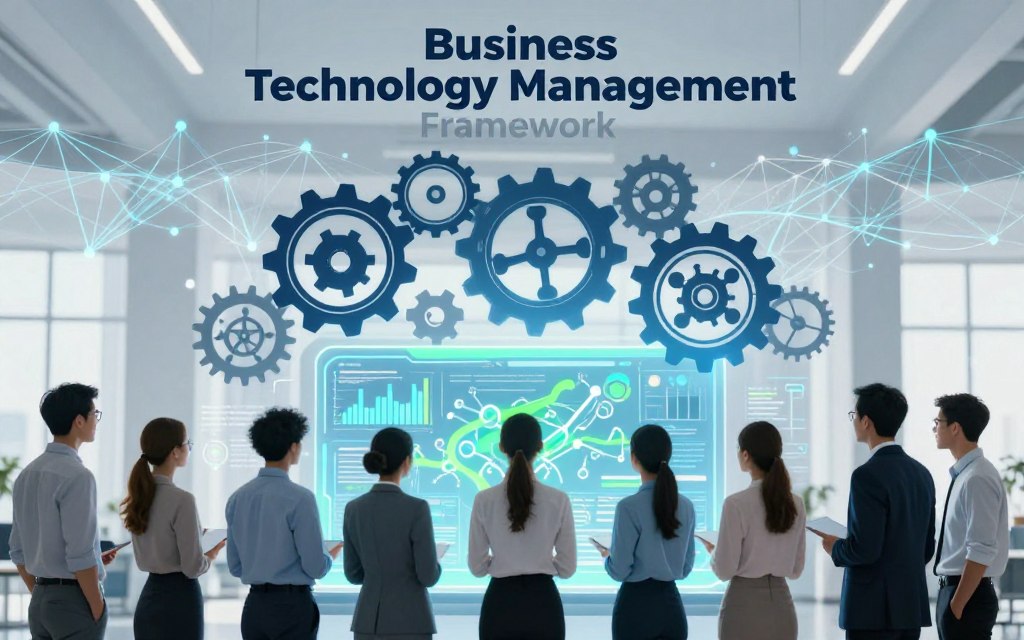
In today’s fast-paced world, operations and technology must work together. Business Technology Management (BTM) manages IT assets and uses technology to create business value. This discipline helps organizations stay competitive and efficient.
As companies manage the digital economy, knowing what is business technology management becomes essential. It streamlines processes, lowers costs, and improves productivity. A BTM framework links technology capabilities with business goals, supporting growth and innovation.
This article explains the business technology management definition, its importance, and its practical uses. It shows how businesses across the United States use these frameworks to meet changing market demands. These practices help them achieve operational excellence.
Key Takeaways
- BTM is crucial for bridging the gap between operations and technology.
- It focuses on leveraging technology for competitive advantage.
- Organizations can streamline processes and reduce costs through BTM frameworks.
- BTM enhances communication and efficiency within businesses.
- Understanding BTM is essential for navigating the digital economy.
What Is Business Technology Management?
Business Technology Management (BTM) is a vital field that joins technology and business strategies for organizational success. It aligns technology projects with business goals, helping investments produce tangible results. To understand BTM, study the business technology management definition and its difference from traditional IT management.
Defining the Discipline
Business Technology Management covers planning, implementing, and improving technology resources. It goes beyond technical work and requires knowledge of markets, customer needs, and organizational goals. BTM professionals create a technology management strategy that supports business goals, productivity, and innovation.
BTM uses informed decisions to improve business results. It involves reviewing new technologies, judging their effects, and choosing solutions that support an organization’s mission. This helps organizations manage digital challenges and compete in a fast-changing market.
How BTM Differs from Traditional IT Management
Traditional IT management often maintains hardware, software, and network systems in a reactive way. BTM takes a proactive, business-first approach to technology decisions. Therefore, strategic goals guide technology choices instead of technical convenience.
BTM professionals connect technical teams with executive leaders. They check that technology investments work technically and provide measurable business value. For instance, many U.S. corporations adopted BTM, which changed organizational structures and improved decision-making processes.
This change highlights the importance of IT business alignment, linking technology strategies directly to business results.
Related Posts:






- BTM integrates business strategy with technology governance.
- It focuses on proactive, strategic decision-making.
- BTM professionals bridge the gap between IT and business leadership.
- Organizations benefit from improved efficiency and innovation.
Understanding Business Technology Management helps organizations use technology for strategic advantage. As businesses evolve, BTM will play a more important role in shaping technology integration.
Those interested in this field can explore specialized BTM programs, such as those at Saint Louis University.
The Core Components of Business Technology Management
The BTM framework includes core components that support organizational growth and efficiency. These components help enterprises use technology effectively.
Technology Infrastructure and Systems
Technology infrastructure forms an organization’s backbone. It includes hardware, software, networks, and cloud platforms for daily operations. BTM professionals assess and choose systems that match business goals.
Key systems such as Enterprise Resource Planning (ERP) and Customer Relationship Management (CRM) streamline business processes. Hybrid cloud architectures add flexibility and scale as market demands change.
By focusing on enterprise technology management, BTM professionals keep infrastructure reliable, secure, and cost-effective. This approach helps organizations stay competitive and manage technology investments wisely.
Data Management and Analytics
Data management is a core BTM component. It covers data collection, storage, processing, and analysis for informed decisions. Effective data governance protects data quality and supports accurate analytics.
Business intelligence tools and advanced analytics reveal useful market trends. Organizations can use these insights to improve operations and personalize customer experiences. This can lead to better business outcomes.
In today’s data-driven world, effective data management can set companies apart. Strong data practices help companies find opportunities and respond early to challenges. Therefore, business technology solutions remain a key part of their strategy.
The Evolution of Business Technology Management
Business Technology Management shows how businesses have changed their use of technology. In the past, IT departments mainly served as cost centers, maintaining systems and fixing problems. This role has changed greatly over time.
Today, Business Technology Management acts as a strategic partner within organizations. Technology now supports every part of business operations, making this role more central. Companies see that a strong technology management strategy can create revenue and competitive advantage.
From IT Departments to Strategic Business Partners
During the 1990s and early 2000s, IT departments often served as support functions. They mainly kept systems running smoothly. As technology became vital to business success, BTM became essential for aligning technology with business objectives.
Organizations now see technology as a key driver of innovation and growth. This change lets BTM professionals support market expansion and strategic initiatives directly. They are no longer only troubleshooters; they help shape their companies’ future through a digital transformation strategy.
The Rise of Cloud Computing and SaaS Solutions
Cloud computing and Software as a Service (SaaS) solutions have further changed BTM. Businesses are moving from traditional on-premises infrastructure to cloud-based services, such as Salesforce and Microsoft 365.
This shift has cut capital expenditures and shortened deployment timelines. It has also increased organizational agility. Cloud computing has expanded access to enterprise-grade technology, helping small and medium-sized businesses compete on a larger scale and follow business technology trends.
Key Functions of Business Technology Management
Business Technology Management (BTM) helps align technology plans with organizational goals. It connects technology and business so each tech investment supports strategic objectives. This IT business alignment helps organizations use technology for a competitive advantage.
BTM professionals learn what stakeholders need, from executives to frontline employees. They assess needs and create technology roadmaps for investments and projects. Key performance indicators (KPIs) connect technology results to business results.
As industry expert John Doe notes, “Successful BTM requires a clear understanding of both technology and business needs to drive effective solutions.”
Aligning Technology with Business Objectives
For effective IT business alignment, BTM professionals must make technology plans proactive, not reactive. They work with departments, gather insights, and turn them into clear technology requirements. Collaboration helps BTM build solutions that improve productivity and efficiency across the organization.
This process includes these key steps:
- Conducting regular stakeholder meetings
- Mapping technology initiatives to business goals
- Reviewing and adjusting technology strategies based on performance data
Managing Technology Investments and Resources
Managing technology investments is another key BTM function. It covers budgets, vendor selection, and contract talks. BTM professionals review total cost of ownership (TCO) and technology ROI to maximize technology spending.
Strong technology governance also helps control resources. BTM teams are responsible for:
| Function | Description | Importance |
|---|---|---|
| Budgeting | Allocating funds for technology projects | Ensures financial resources are used effectively |
| Vendor Management | Selecting and overseeing technology vendors | Enhances service quality and cost efficiency |
| Contract Negotiation | Securing favorable terms with suppliers | Reduces costs and improves service delivery |
By focusing on these areas, BTM professionals help organizations manage complex technology investments. They also keep investments aligned with overall business objectives.

The Role of BTM in Strategic Decision-Making
Business Technology Management (BTM) guides strategic decisions across organizations. It supports a clear technology management strategy and helps leaders make informed choices.
Data-Driven Insights for Leadership Teams
BTM provides data-driven insights that guide effective leadership. BTM uses advanced analytics and business intelligence tools to strengthen technology governance and turn complex data into useful information. Dashboards help executives see trends and performance measures clearly.
BTM also supports predictive analytics and scenario planning. Leaders can assess market opportunities and risks before making major investments. Real-time monitoring helps organizations adapt quickly to changing conditions and strengthen their competitive edge.
Risk Assessment and Mitigation Strategies
BTM also helps assess and reduce technology-related risks. These risks include cybersecurity threats and data privacy compliance. BTM professionals identify these risks and build strong management frameworks.
Business technology solutions, including regular security audits and continuity plans, help organizations respond to disruptions. BTM supports calculated decisions that balance innovation with security. This approach positions organizations to thrive in an increasingly digital landscape.
How BTM Streamlines Business Operations
Business Technology Management (BTM) improves how companies work. It uses business technology solutions to find waste in daily processes and remove it. These changes create smoother workflows, fewer manual tasks, and faster cycle times.
BTM often uses workflow optimization and automation to improve work through business process automation. Professionals study current workflows to find bottlenecks and areas for improvement. They may use robotic process automation (RPA), workflow systems, and AI tools for repetitive tasks.
For instance, enterprise technology management can automate several business functions, including:
| Function | Traditional Process | Automated Process |
|---|---|---|
| Invoice Processing | Manual entry and approvals | Automated data capture and approval workflows |
| Customer Onboarding | In-person meetings and paperwork | Online forms and automated follow-ups |
| Inventory Management | Manual stock checks | Real-time tracking and alerts |
| Human Resources Administration | Paper-based records | Digital employee management systems |
Successful automation requires careful process mapping, change management, and thorough employee training. These steps help every team member support the change and use the new systems well.
BTM also improves operations with communication and collaboration tools. These tools help teams work together, especially across remote sites and locations. Unified communications platforms, project management software, and video conferencing solutions support this work.
Tools like Slack, Microsoft Teams, Asana, and Zoom now help modern organizations work together. They keep teams connected, but too many tools can create confusion. Choose integrated platforms that simplify workflows instead of adding complexity.
BTM and Digital Transformation
Today’s fast-changing business world makes integrating business technology management and digital transformation vital. Organizations see a strong digital transformation strategy as essential for staying competitive. This connection improves efficiency and drives innovation.
A key part of BTM is implementing emerging technologies. BTM professionals assess and deploy technologies such as artificial intelligence, machine learning, and the Internet of Things (IoT). These technologies can transform operations; companies have successfully used predictive maintenance in manufacturing and AI-powered customer service in retail.
To reduce risks and maximize learning, organizations often use pilot programs and proof-of-concept projects when exploring business technology trends. A phased rollout helps integrate technology smoothly into existing processes. This approach needs technical expertise and a deep understanding of business processes and customer needs.
Implementing Emerging Technologies
When adopting new technologies, BTM professionals play a crucial role. They align technology with business objectives so each implementation supports the organization’s overall goals. The right technology management strategy can improve efficiency and customer satisfaction.
Building a Digital-First Organizational Culture
Successful digital transformation depends on a digital-first organizational culture, where employees embrace new tools and ways of working. Change management strategies, training programs, and internal communication campaigns help foster this culture, while BTM professionals act as change agents. They guide organizations through the cultural shifts needed for successful transformation.
“Technology is best when it brings people together.”
The Impact of BTM on Organizational Efficiency
Effective Business Technology Management (BTM) improves organizational efficiency. Organizations using BTM can lower costs and raise productivity. Understanding these benefits helps businesses compete in a changing market.
BTM can reduce costs through smart technology choices. BTM professionals find ways to cut technology spending without reducing capabilities. Their work includes:
- Consolidating redundant software licenses
- Negotiating better vendor contracts
- Migrating to cost-effective cloud solutions
- Eliminating underutilized systems
Moving from capital expenditures to operational expenditures through cloud adoption can improve cash flow and financial flexibility. Poor technology management can also create hidden costs, including:
- Downtime
- Security breaches
- Productivity losses
BTM addresses these issues and improves overall technology ROI. This strategy helps businesses gain more from technology investments while limiting waste.
Cost Reduction Through Smart Technology Choices
Effective BTM helps organizations make informed choices and achieve major savings. For example, business process automation streamlines operations, reduces manual errors, and saves time and resources. The table below shows potential savings from several BTM strategies:
| Strategy | Estimated Annual Savings | Impact on Productivity |
|---|---|---|
| Software License Consolidation | $50,000 | Improved resource allocation |
| Cloud Migration | $75,000 | Enhanced operational flexibility |
| Vendor Negotiation | $30,000 | Cost-effective solutions |
Productivity Gains Across Departments
BTM also improves employee productivity across all business functions. BTM solutions cut administrative work, improve access to information, and support faster decisions. For example:
- Sales teams can access real-time data, allowing for quicker responses to customer inquiries.
- Marketing departments can automate campaign management, leading to more efficient execution.
- Finance teams benefit from streamlined reporting processes, reducing time spent on manual data entry.
These gains require thoughtful technology choices, effective training, and ongoing optimization. Organizations that embrace BTM can improve efficiency and effectiveness across all departments.
Essential Skills for Business Technology Management Professionals
To succeed in the changing field of Business Technology Management (BTM), professionals need technical and business skills. This mix helps them manage complex technology and apply it across business settings. These skills can guide a strong BTM career path.
Technical Expertise and Industry Knowledge
In BTM, strong technical expertise is crucial. Professionals should know enterprise software systems, cloud computing platforms, and data analytics tools. They also need to understand cybersecurity principles and emerging technologies.
BTM professionals need not be expert programmers, but they need enough technical literacy to evaluate technology options. This knowledge also helps them communicate with technical teams.
Industry-specific knowledge is equally important. Healthcare, finance, and retail each have unique technology needs. The business technology management definition connects technology decisions with business needs.
BTM professionals should follow trends and challenges in their industries. This awareness supports decisions that match business goals and technology advances.
Business Acumen and Leadership Capabilities
Beyond technical skills, effective BTM professionals show strong business acumen and technology leadership. Strategic thinking helps align technology initiatives with organizational goals. Financial analysis, project management, and stakeholder communication skills are also critical.
BTM professionals must translate between business and technical languages. This skill builds collaboration among diverse stakeholders and supports organizational change.
Certifications such as PMP and ITIL can increase a professional’s credibility and effectiveness. Continuous learning matters in this rapidly changing field. It helps BTM professionals stay competitive and lead their organizations into the future.
Career Opportunities in Business Technology Management
A BTM career path offers many opportunities in a growing field. Business Technology Management now includes roles for different interests and skills. Professionals strengthen technology leadership by linking technology with business strategy.
Common roles in Business Technology Management include:
- Business Technology Manager: Oversees technology initiatives and ensures alignment with business goals.
- IT Business Partner: Acts as a liaison between IT and business units to enhance collaboration.
- Technology Strategy Consultant: Advises organizations on leveraging technology for competitive advantage.
- Chief Information Officer (CIO): Responsible for the overall technology strategy and direction of the organization.
- Chief Technology Officer (CTO): Focuses on the technological needs and innovation within the company.
- Digital Transformation Manager: Leads initiatives to integrate digital technologies into business processes.
- Enterprise Architect: Designs and manages the IT architecture to support business strategies.
These positions exist in many industries, including Fortune 500 companies and government agencies. BTM professionals are in high demand in Silicon Valley, New York City, Austin, Seattle, and Boston. Remote work has also expanded opportunities for many professionals in this field.
Salary Expectations and Growth Outlook
Salaries for Business Technology Management roles vary by experience, education, and location. Recent data shows average salaries for several key positions.
| Position | Average Salary | Growth Rate (2020-2030) |
|---|---|---|
| Business Technology Manager | $100,000 | 10% |
| Chief Information Officer (CIO) | $150,000 | 8% |
| Digital Transformation Manager | $120,000 | 15% |
The U.S. Bureau of Labor Statistics projects strong growth for these roles as organizations increasingly rely on technology for business success. With growing business technology trends, professionals can expect excellent long-term prospects.

Challenges Facing Business Technology Management Today
Business Technology Management faces many challenges that require strategic foresight and adaptability. As organizations rely more on technology, BTM professionals must manage complex issues that can affect their success.
Cybersecurity Threats and Data Privacy
Cybersecurity breaches are among the most pressing BTM challenges today. Cyberattacks grow more advanced, while ransomware, phishing, and supply chain attacks create serious risks. Cybersecurity is now a business risk, not only an IT concern, and executives must address it.
BTM professionals must also address data privacy rules such as GDPR and CCPA. Following these laws protects sensitive information and helps maintain customer trust. As technology governance grows more important, organizations must balance security with usability.
Organizations need accessibility, but it must not compromise data protection.
Keeping Pace with Rapid Technological Innovation
Another major challenge is keeping up with rapid technological innovation. Fast-changing business technology trends pressure organizations to adopt new solutions quickly. Yet rushing adoption can waste resources and reduce technology ROI.
BTM professionals should use technology scouting and vendor evaluation strategies. A culture of continuous learning and adaptation is crucial. Organizations must help employees adopt new technologies and build skills, so they stay competitive in a changing landscape.
The challenges facing BTM are daunting, but they also give professionals opportunities to show their value. By proactively addressing cybersecurity threats and embracing innovation, BTM leaders can build organizational resilience and success.
Conclusion
Understanding what is business technology management helps organizations thrive in today’s digital landscape. The BTM framework aligns technology with business goals through a structured approach. This alignment makes technology management strategies proactive, improving efficiency and encouraging innovation.
Effective business technology management delivers significant benefits. Streamlined operations improve productivity and reduce costs. As companies use standardized procedures, service availability improves and incidents resolve faster.
For instance, organizations utilizing playbooks have reported a 45% faster mean time to resolution. This result shows the power of a clear technology management strategy.
As technology evolves, BTM’s importance will grow. Organizations must invest in ongoing governance and regularly update their technology processes.
This commitment supports operational efficiency, long-term security, and scalability. A comprehensive BTM approach helps businesses adapt to changes quickly and effectively.
Those considering a career in this field can find abundant opportunities. With the right skills and knowledge, professionals can help shape their organization’s future. To explore how standardized procedures can enhance your IT operations, check out this guide on technology playbooks.